
Educational Resources - Blog, Video and more
Back Pain Care - Part 2 | Boston Professional Meetup Recap
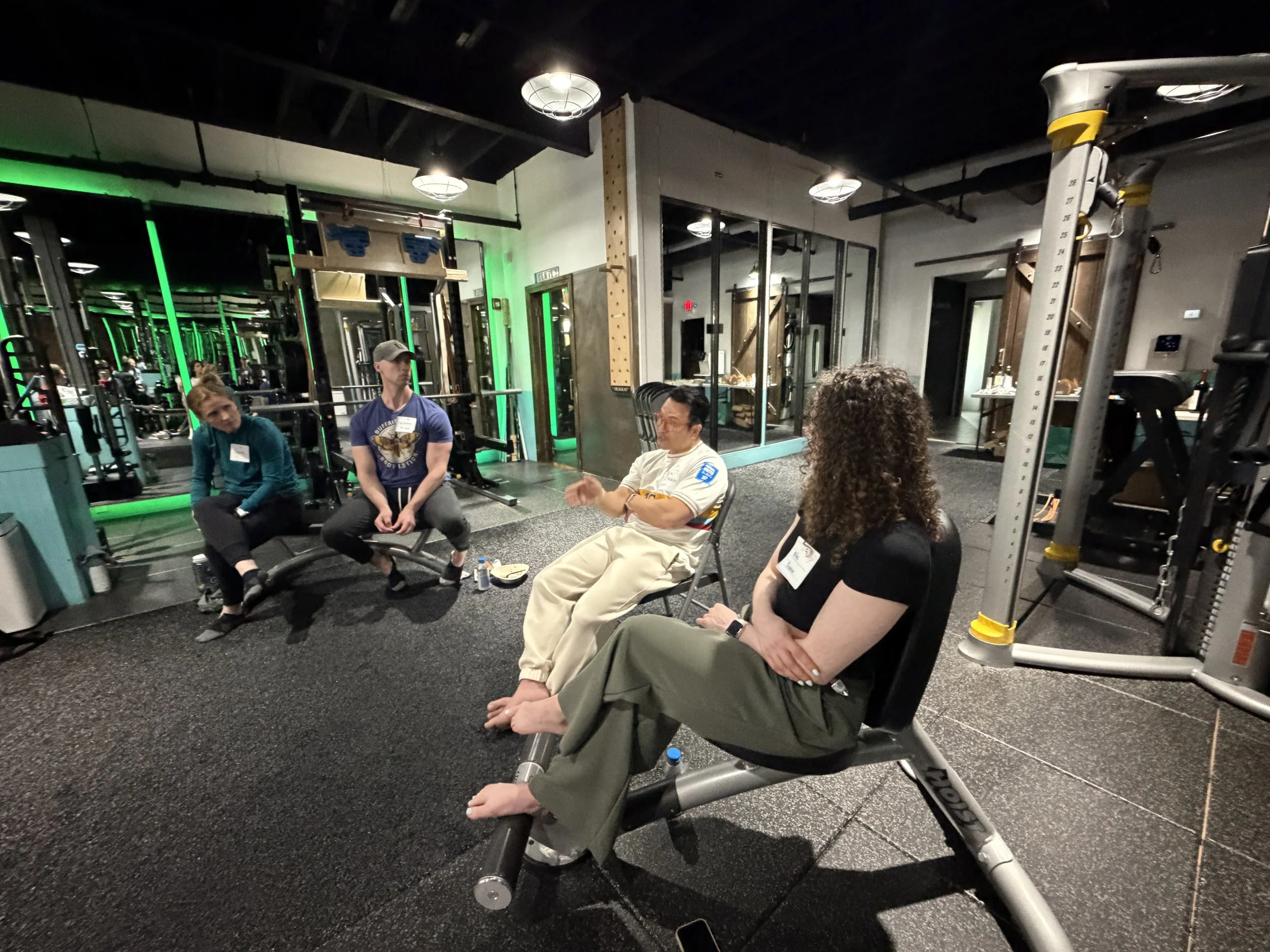
A room full of Boston-area clinicians, trainers, and coaches tackled the harder questions around back pain care - the words we use, self-management, resilience, and why good care is harder to deliver than the guidelines make it sound.
What Does It Mean to Lift Heavy? Understanding Reps in Reserve (RIR)
Not sure how heavy you should actually be lifting? Learn how Reps in Reserve (RIR) takes the guesswork out of training intensity — and why I use it with every single one of my patients, from training to rehab.
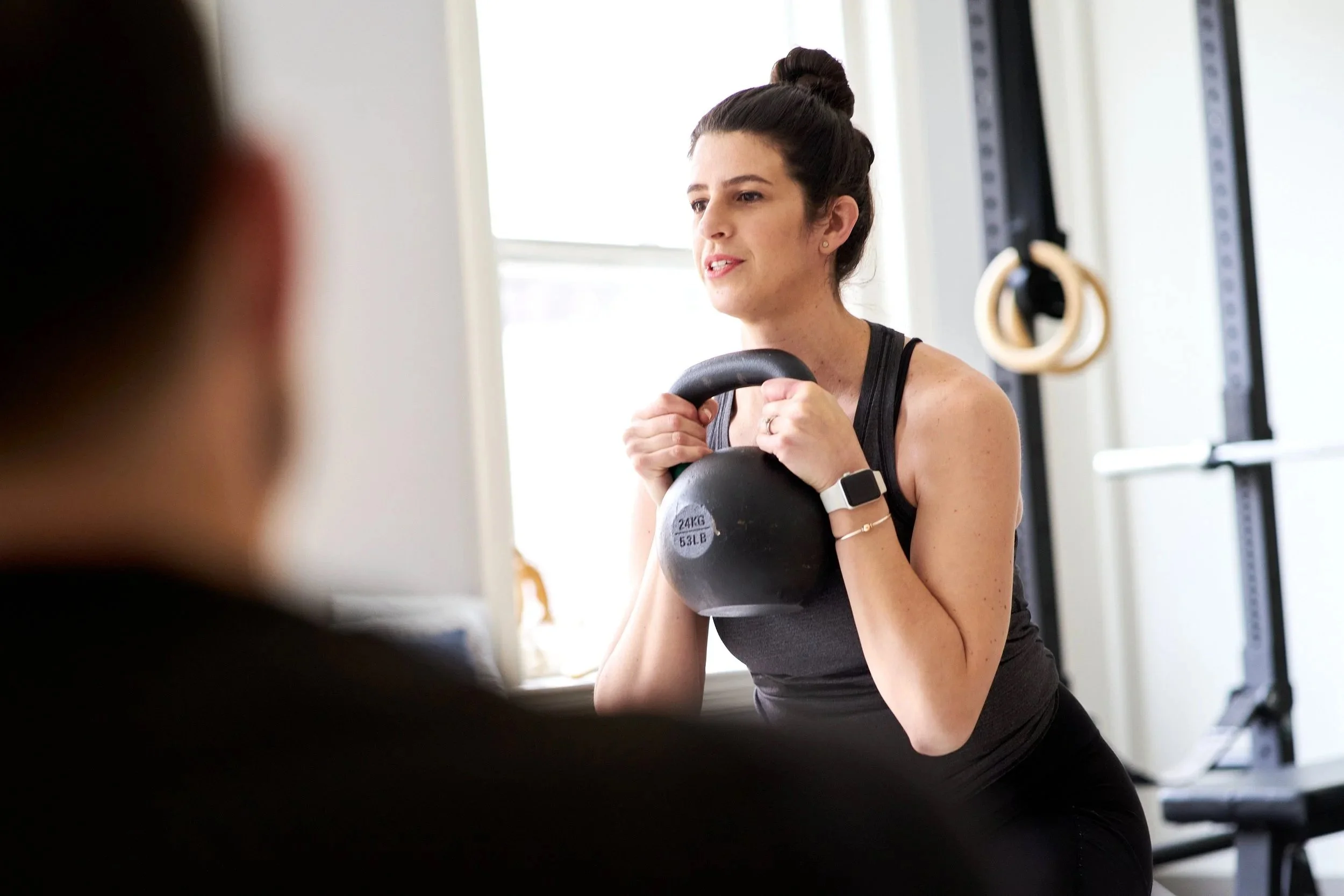
How Hard Should You Actually Train During Pregnancy?
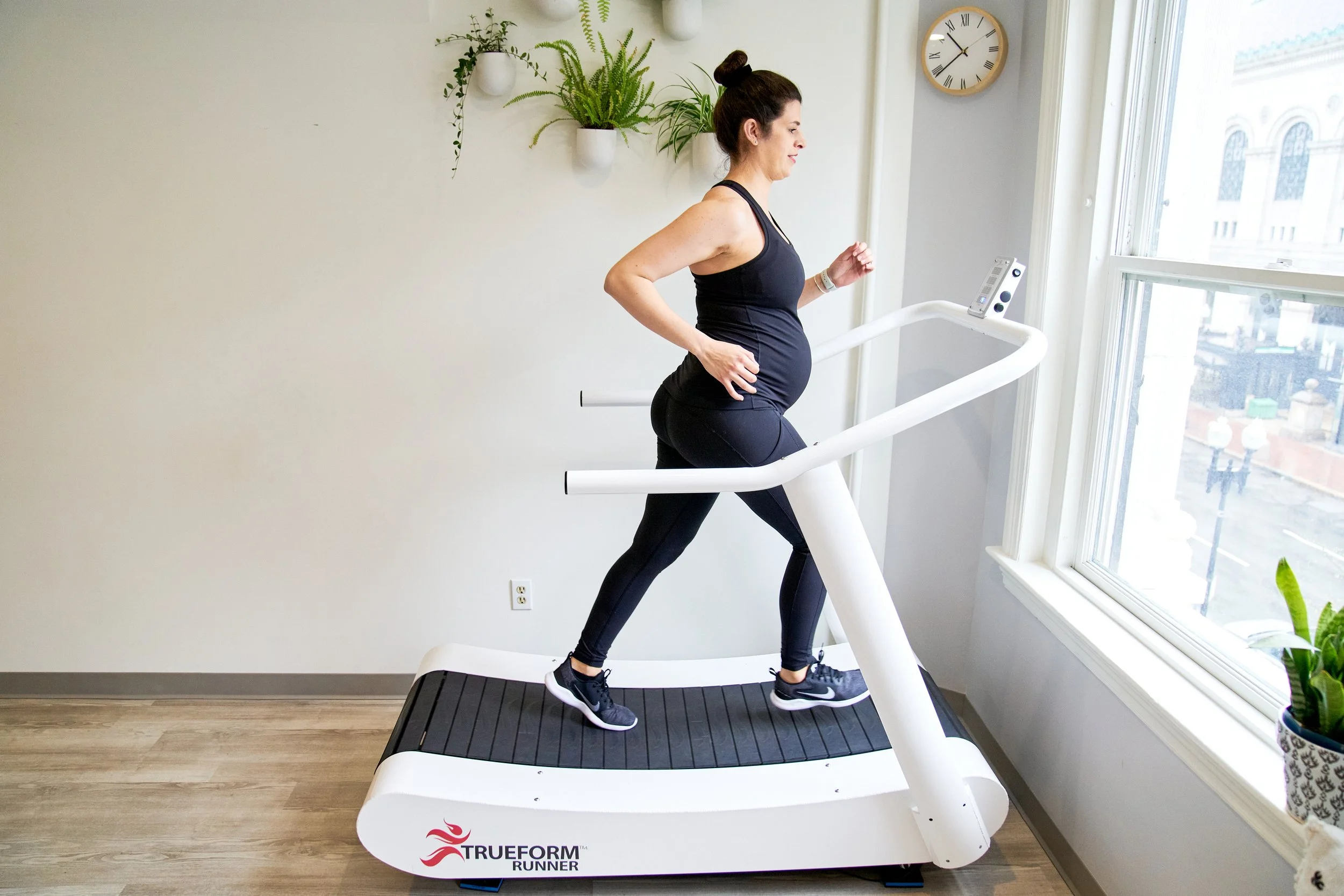
The guideline recommending pregnant people keep their heart rate below 140 BPM was dropped from ACOG recommendations in 1994. The research didn't support it. Yet studies show most OBs are still giving this advice today. If you're an active person trying to figure out how hard you should actually be training during pregnancy, the answer is more individualized than any number on your watch can tell you.
Seasonal Injuries: Why They Happen and How to Prevent Them
Seasonal injuries often spike in spring and summer as people suddenly become more active. Learn how load management, strength training, and gradual progression can help prevent plantar fasciitis, pickleball injuries, low back flare-ups, and other common aches and pains.
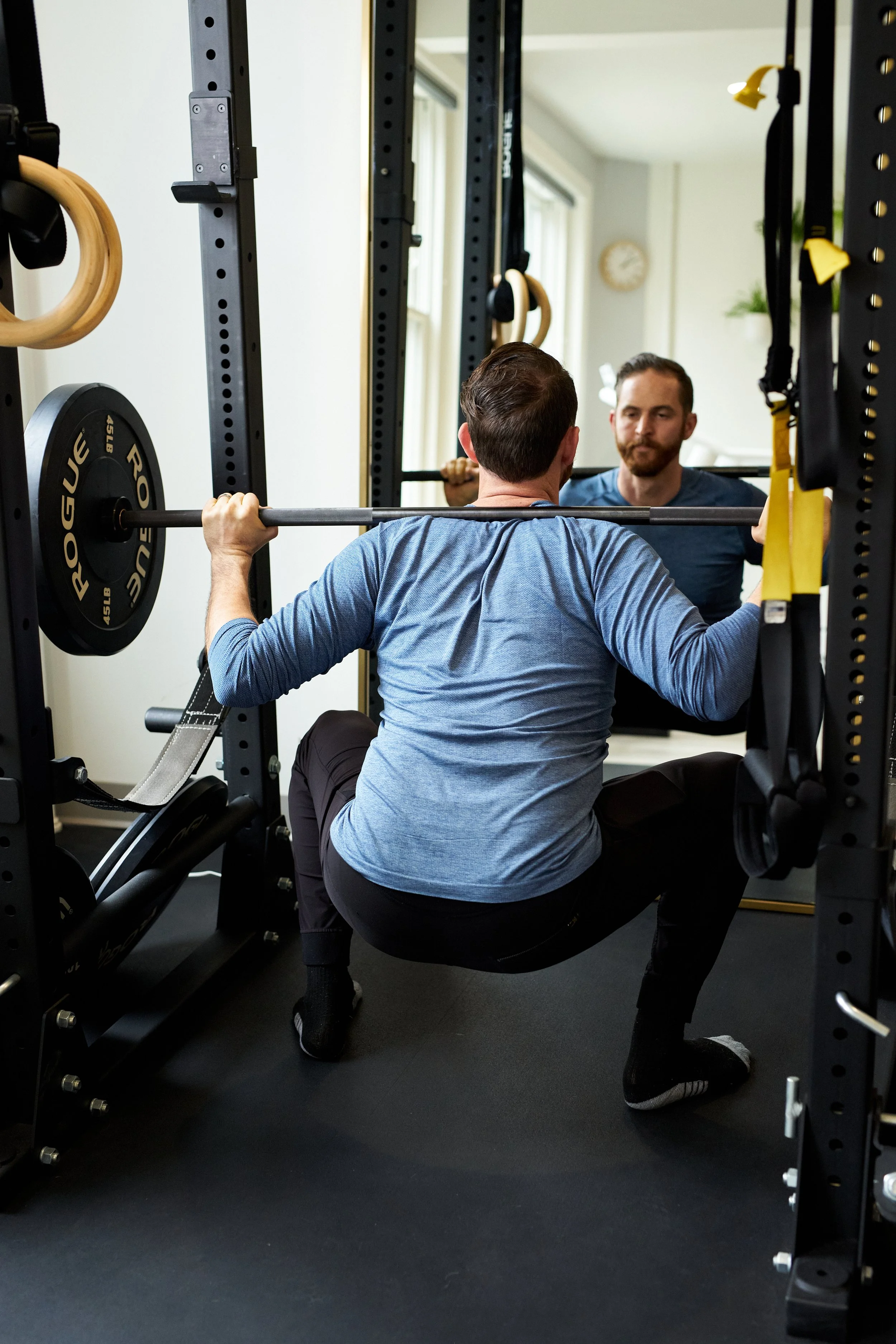
Updated Physical Activity Guidelines are in!
A straightforward breakdown of the latest ACSM physical activity guidelines- how much cardio and strength training you actually need, and why consistency matters more than perfection.
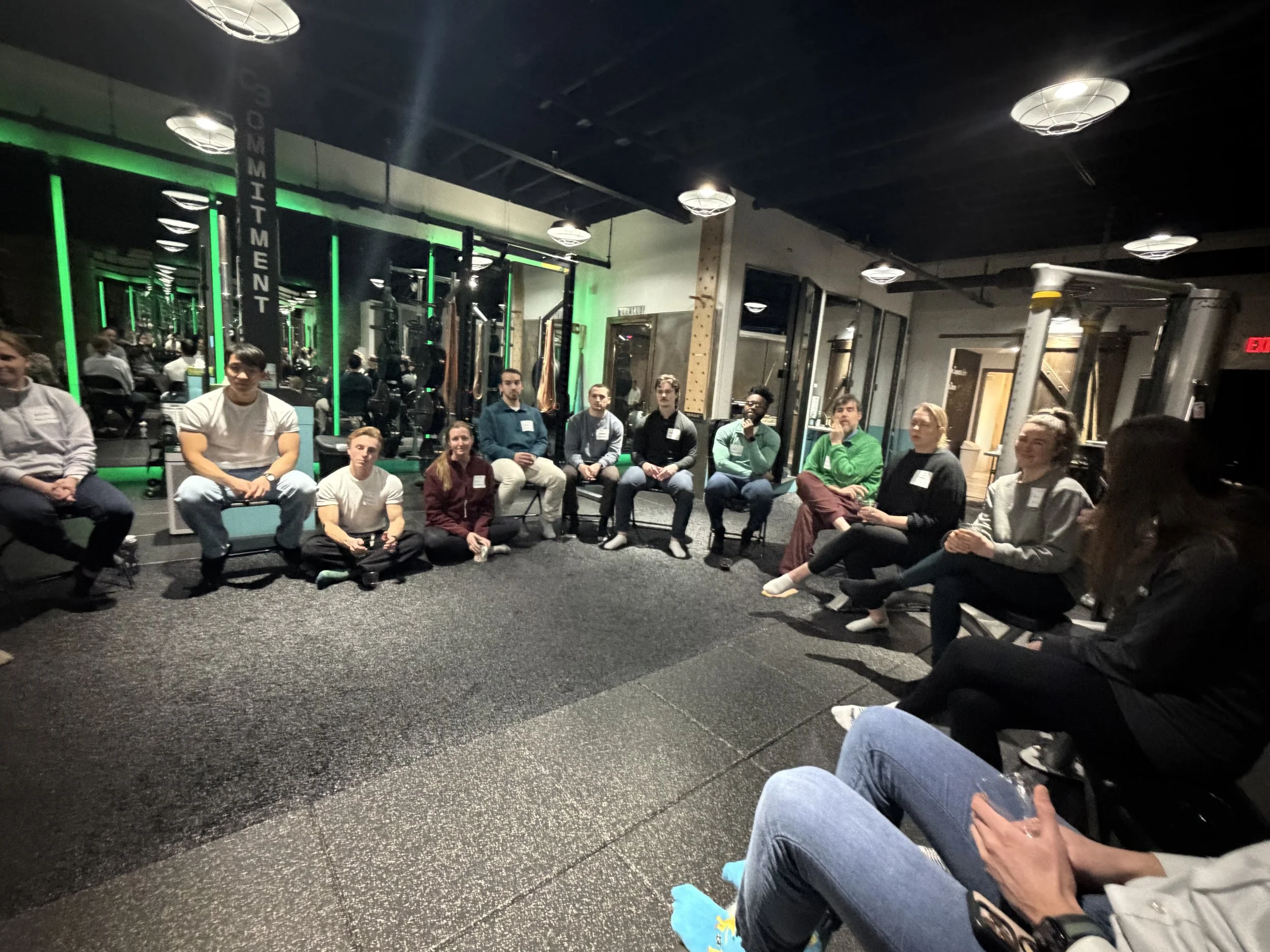
Back Pain Care | Boston Professional Meetup Recap
What does high-quality back pain care look like in 2026? We hosted Boston-based health and fitness professionals to discuss research, movement, and collaborative care.

Underfueled Bodies Hurt More
Underfueled Bodies Hurt More explores the connection between nutrition, Relative Energy Deficiency in Sport (RED-S), and musculoskeletal pain. Many athletes and active adults focus on biomechanics, mobility, or training load when injuries arise - but low energy availability (LEA) is often the missing piece.
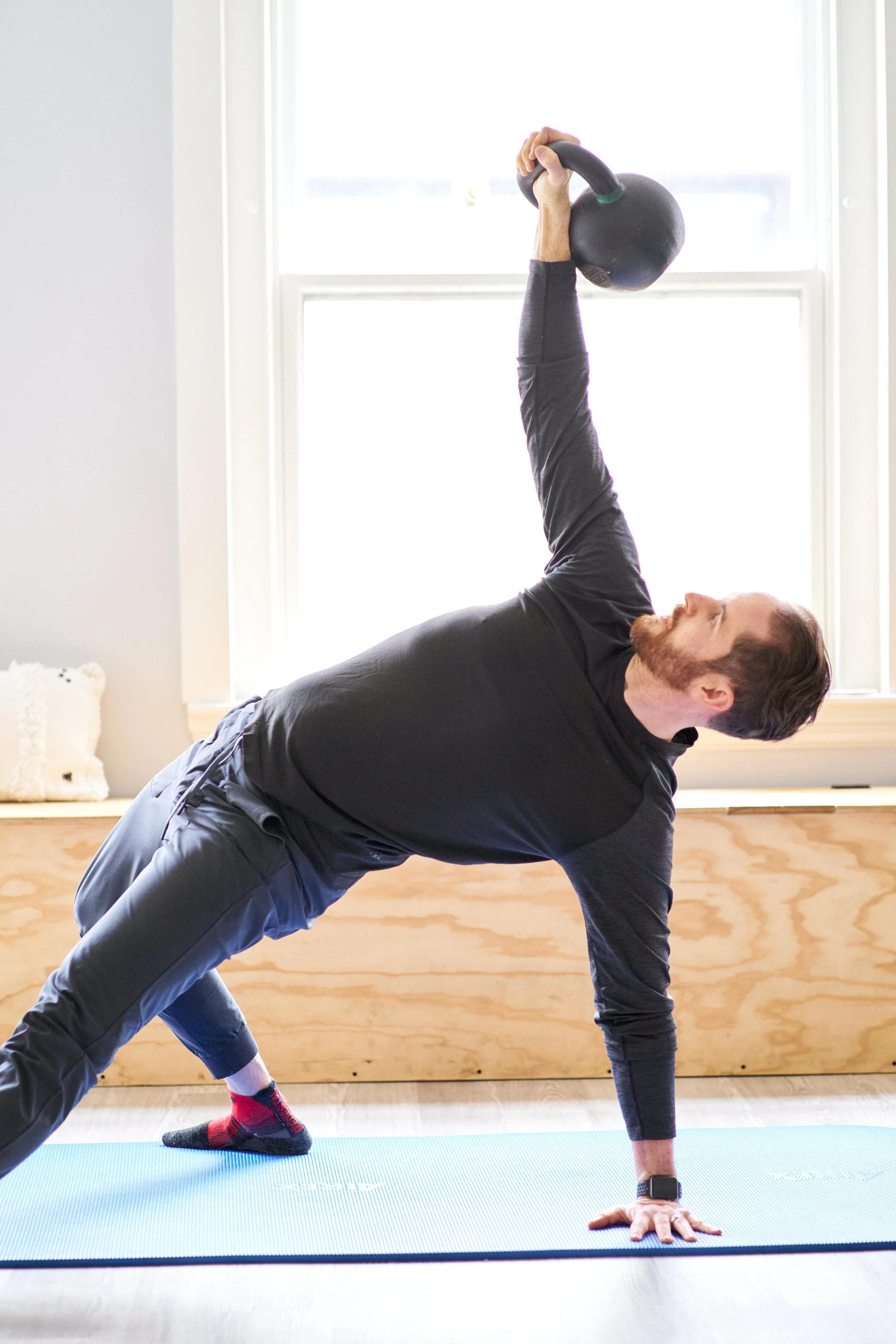
The Magic is in the Mud
The most important breakthroughs in clinical care don’t always come from the perfect protocol or exercise plan. They happen in the messy parts, our beliefs, fears, and lifestyle patterns that shape how we move, heal, and grow. The magic is in the mud.

Why Starting an Exercise Routine Feels So Hard – And What You Can Actually Do About It
Struggling to start an exercise routine? Learn practical strategies to overcome common barriers like lack of time, fear of injury, and overwhelm. Expert tips from exercise scientist and Boston trainer Justin Kompf make getting started simple, safe, and sustainable.
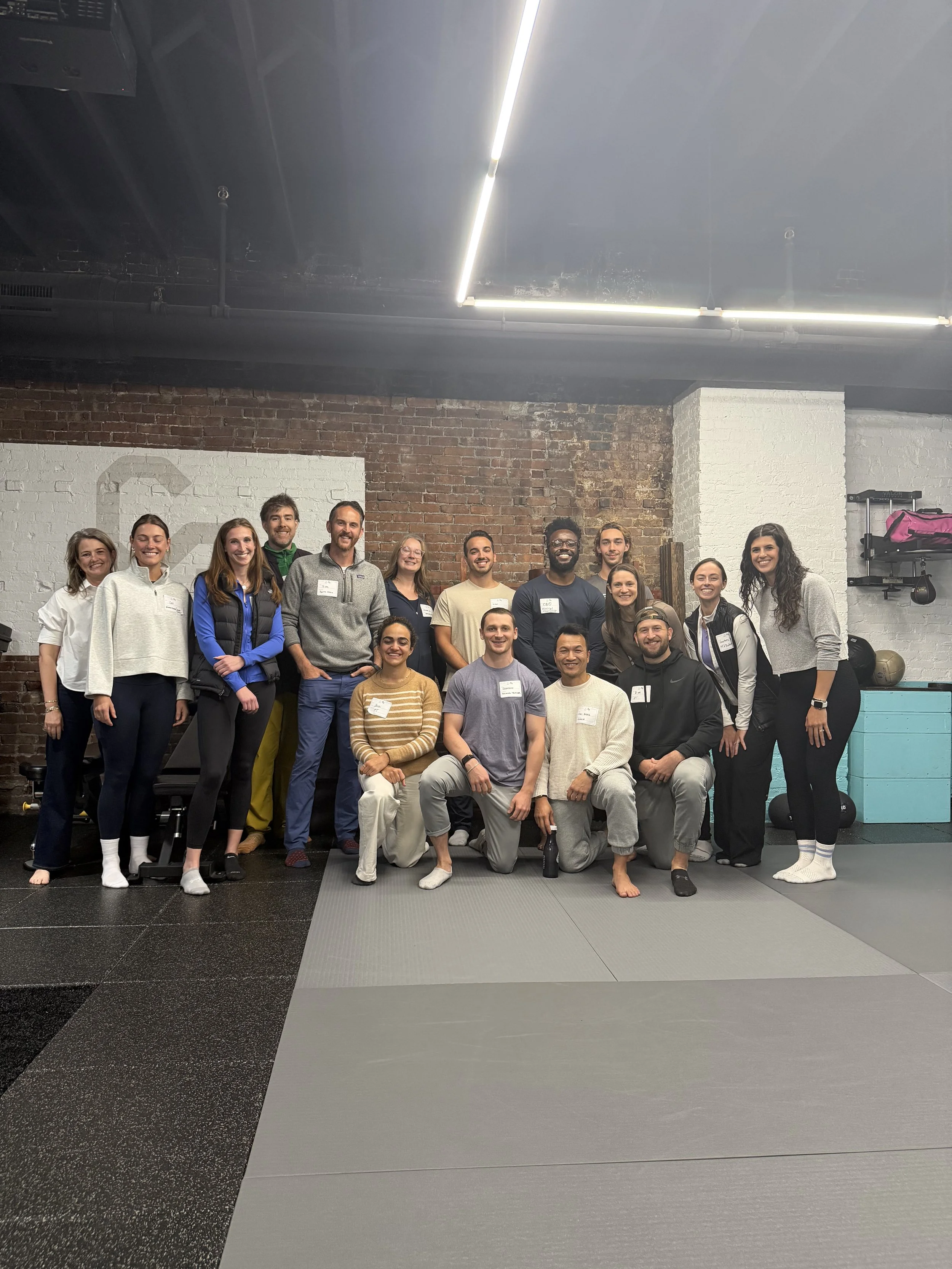
Resilient Aging - Health and Fitness Roundtable
Highlights from our recent Resilient Aging professional roundtable discussion. Aging well is about maintaining strength, mobility, and confidence - not just avoiding pain. Here’s how to build resilience through movement.

Back Pain & Barbells: Why Strength Training Is the Best Rehab
Discover how barbells and strength training can help back pain recovery - building resilience, reducing fear, and restoring confidence in movement.
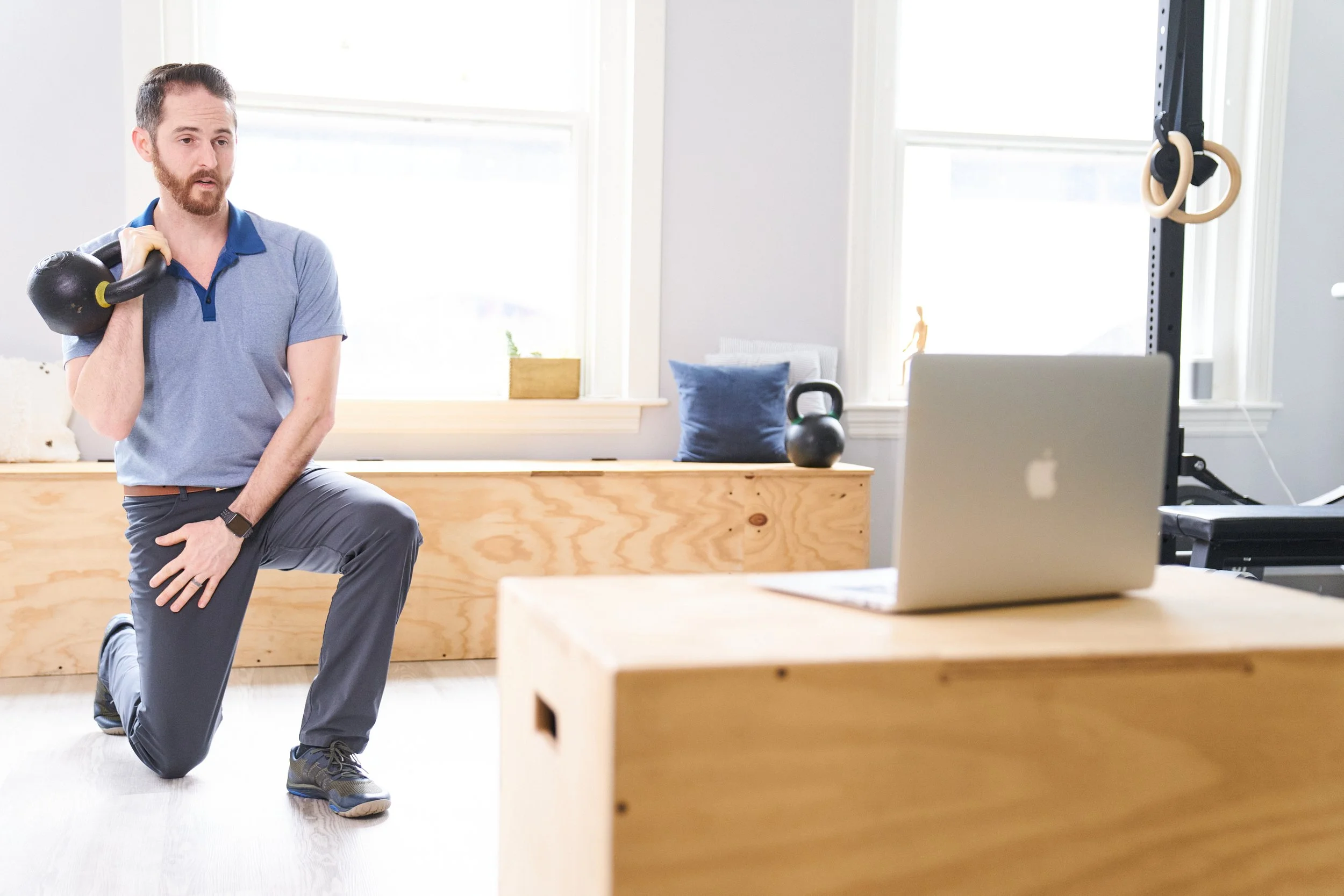
Why Virtual Back Pain Coaching Works
Discover how virtual back pain coaching from Back Bay Health’s new program, Back Pain Coach, helps you move with confidence, reduce pain, and build lasting resilience. Learn why online coaching is just as effective as in-person care — without the quick fixes or fear-based messages.
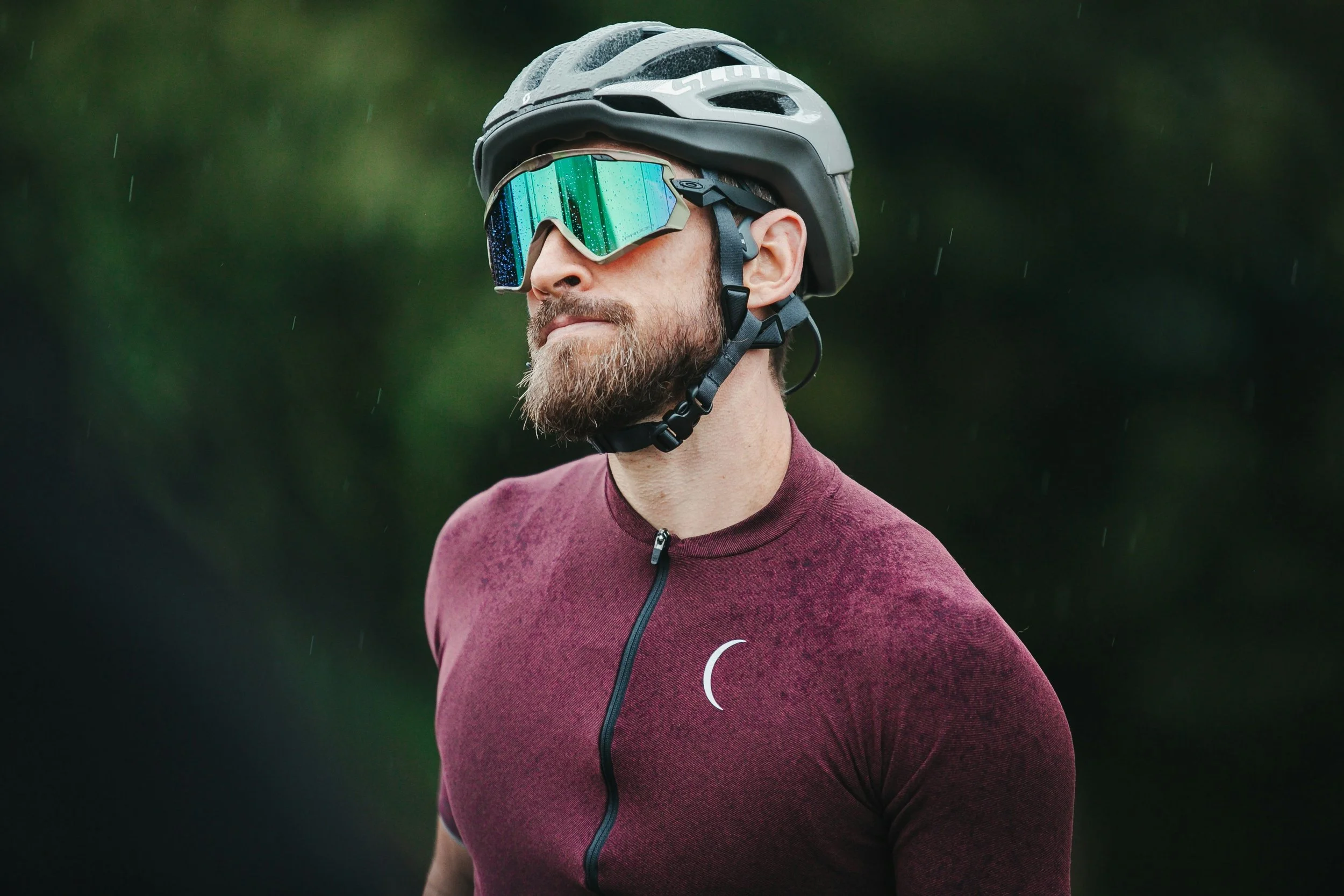
Neck Pain in Cyclists: What Boston Riders Need to Know
Neck pain while cycling in Boston is common — but that doesn’t mean you need to stop riding. Learn why it happens and how to relieve it with movement, strength, and smart training, not rest. Backed by recent research and designed for Boston’s active cycling community.
Playing with Pain - How to Rebuild Confidence in Movement After Persistent Pain
Persistent pain can make even simple movements feel threatening. This blog explores how pain predictions form in the brain and how safe, curious experimentation with movement can help break the pain-fear cycle. Learn why courage, not avoidance, is key to rebuilding confidence in your body and returning to the activities you love.

Playing with Pain - Why Avoiding Movement Can Worsen Chronic Pain (And What to Do About It)
If you’ve been avoiding movement because of persistent pain, you’re not alone—and you’re not broken. At Back Bay Health, we specialize in helping people rebuild confidence in movement and reclaim the activities they love.
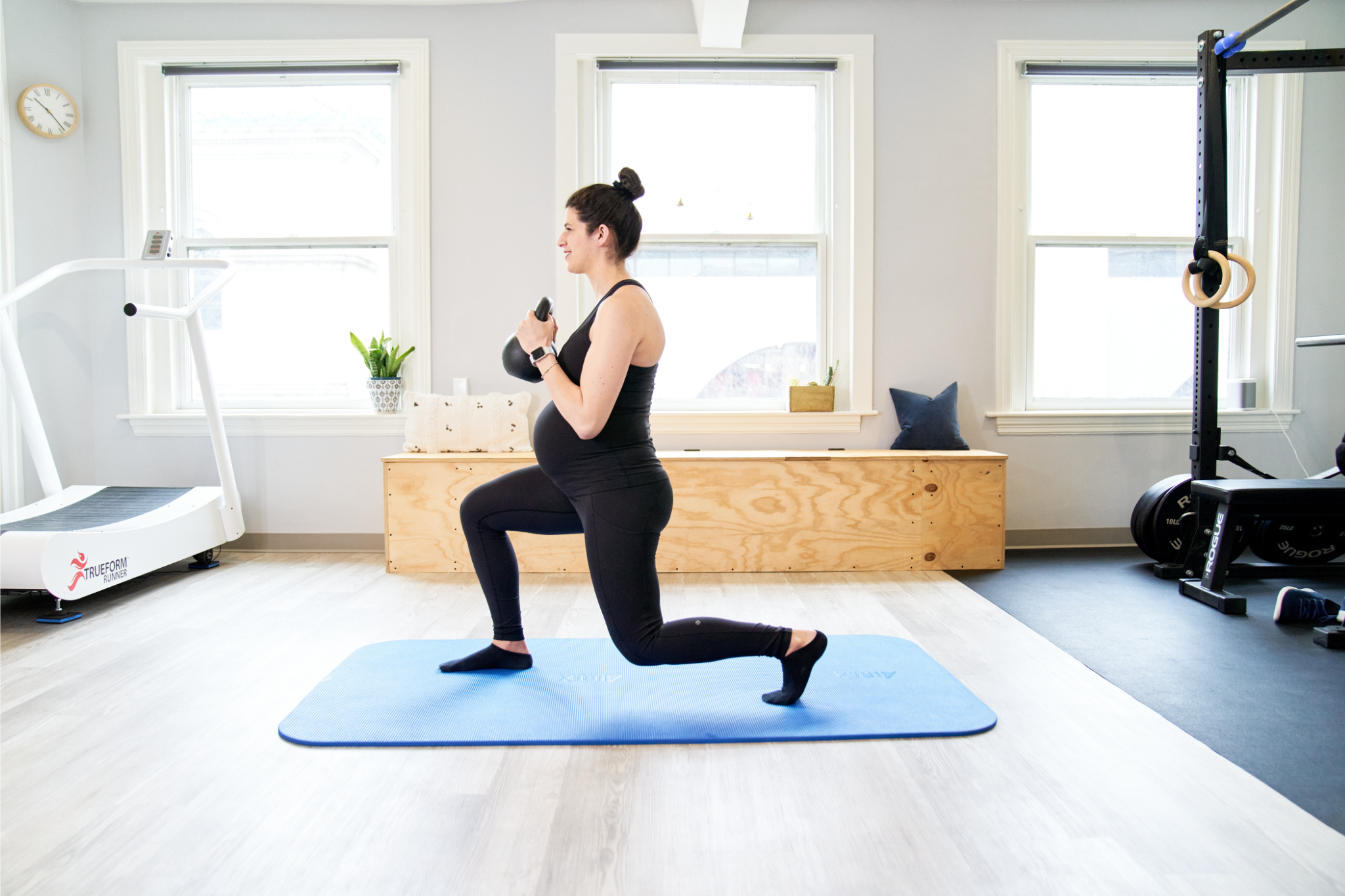
Outdated Pregnancy Exercise Advice? Here’s What the Research Really Says
Still being told not to lift, run, or crunch while pregnant? Learn which pregnancy exercise restrictions are outdated - and what the science really says.
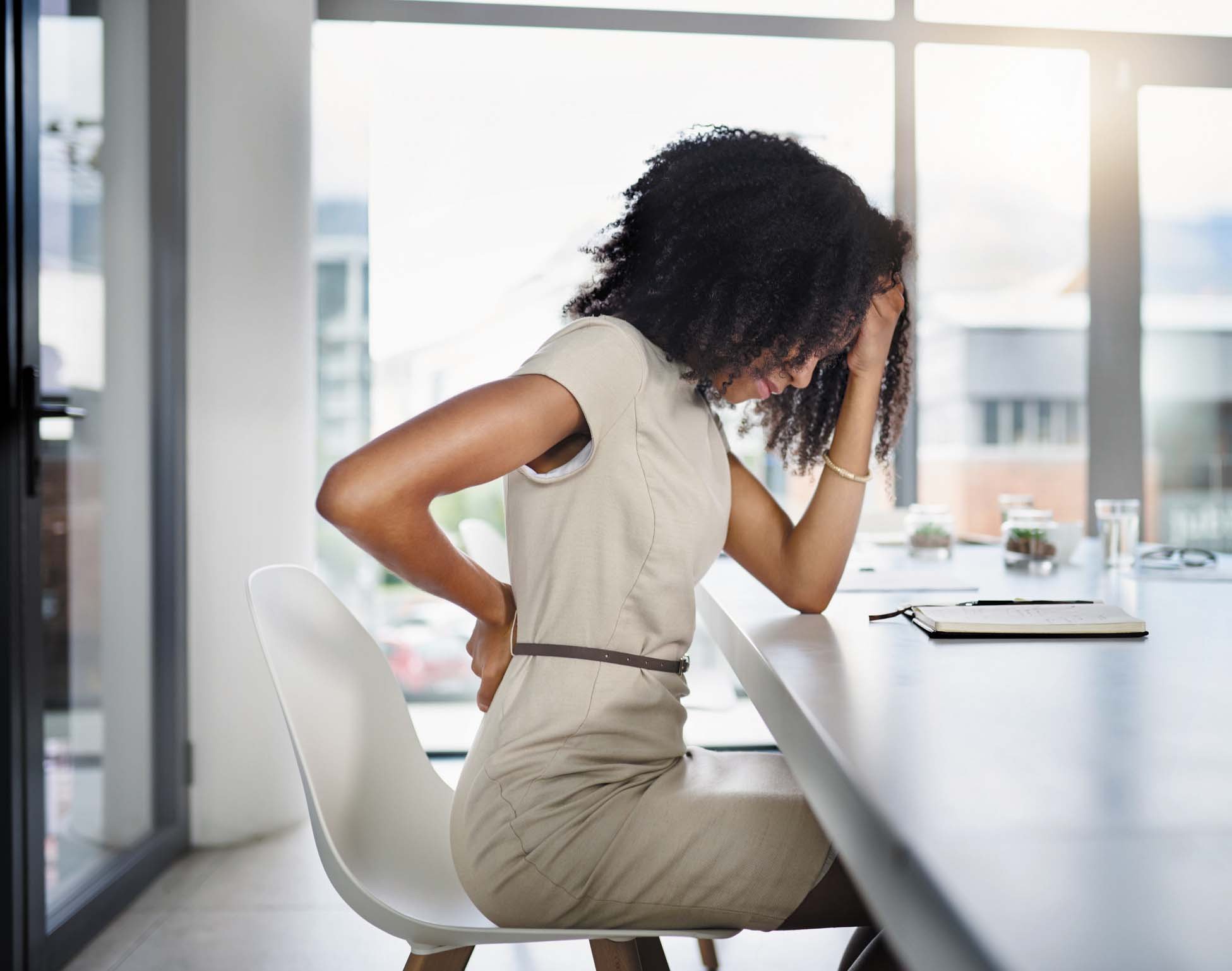
Sitting with Sciatica? A Guide for Boston Desk Workers
Boston office workers with sciatica: Learn how movement — not rest — can reduce leg pain and help you stay active. Evidence-based tips from local rehab pros.

Lower Back Pain on the Charles: A Guide for Boston Rowers
Low back pain is one of the most common injuries in rowing — affecting up to 88% of athletes during their career. This blog breaks down the latest consensus on prevention and management, including technique, load management, and individualized rehab strategies backed by research. Whether you’re a rower or coach, this is essential reading for staying healthy on the water and in the gym.

Navigating pain during exercise with “the Traffic Light”
How do you know when you should stop a painful activity? Or when it’s safe to keep going even though you have pain?
At Back Bay Health, we use ‘The traffic light analogy’ to help people understand how to safely move and stay active even if they have pain.